The Endless Line | Gesture, Painting, Technics
$32.50
5.5 × 7.75 inches, 320 pages, softcover
ISBN 978-1-941753-87-3
Design by Scott Vander Zee
Available for Pre-order
Shipping November 2026
"Jan Tumlir’s The Endless Line uncovers the concept, language, and theory of gesture in painting as it transitions through time—within and beyond the medium—evolving from the very site where such ruminations and pictorial experimentations begin: the classroom. I found this book to be an excellent resource and recommend it to painters at every stage of their development, from those just beginning to those with long-established practices."
—Laura Owens
"This is an extraordinarily rich and ambitious book, wide-ranging yet thoughtfully constructed and in control of its arguments. Tumlir is a lucid and engaging writer and the text, while admirably erudite, is never stodgy or drily academic. The result is a major contribution to the philosophy and theory of art, art criticism, and the historiography of art—to say nothing of its implications for media studies, film studies, and a broad array of further disciplines."
—Molly Warnock
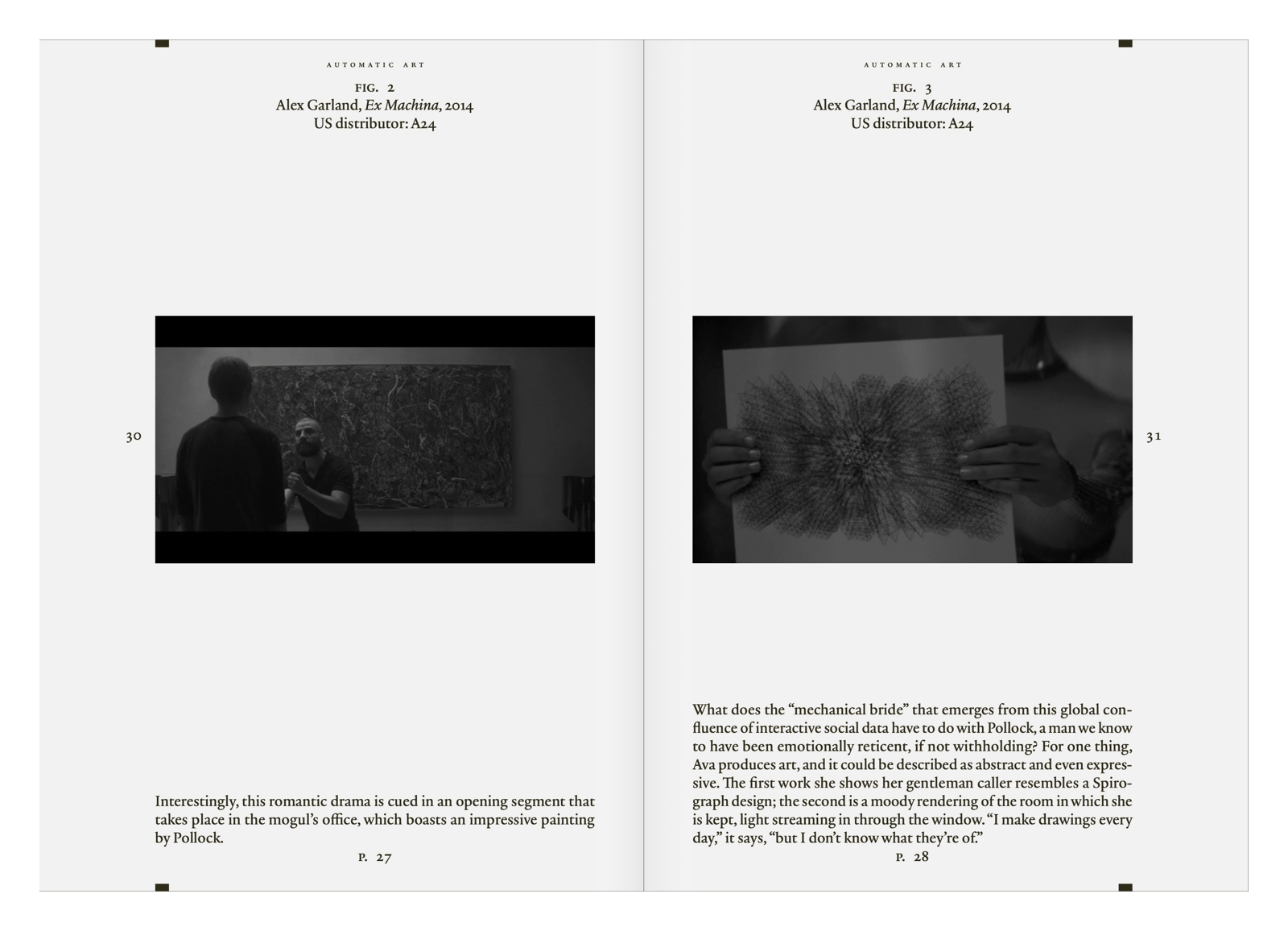
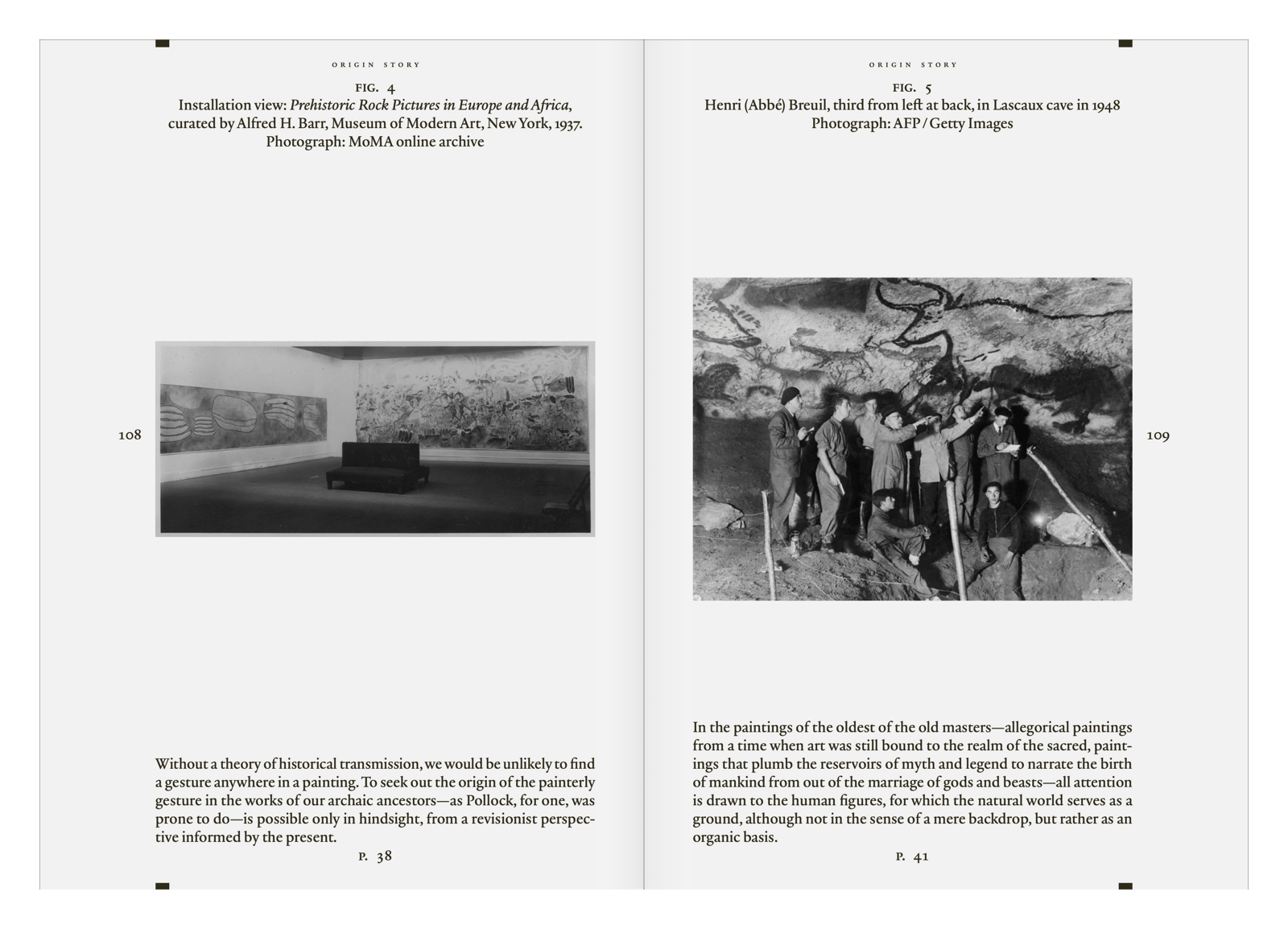
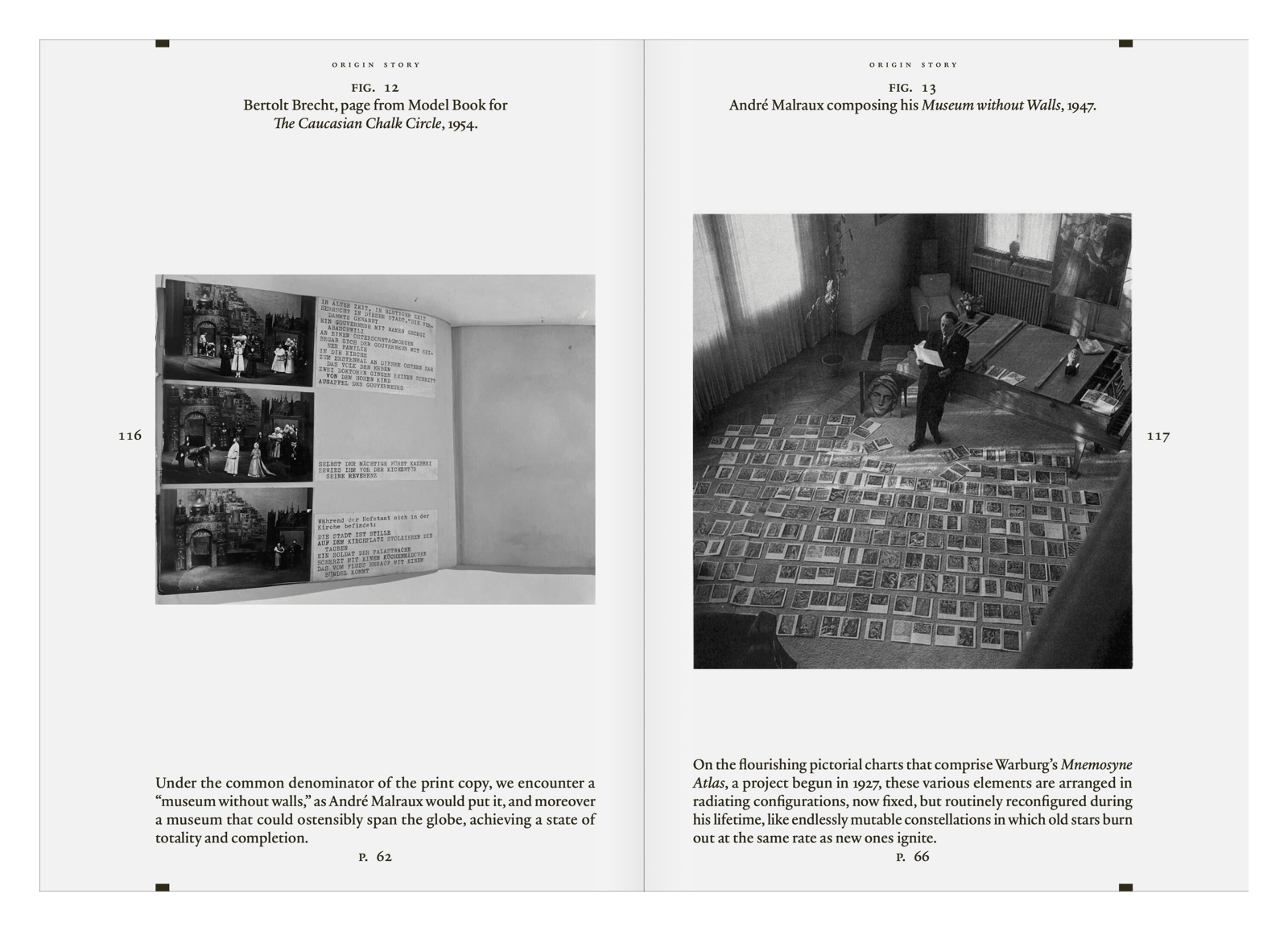
Jan Tumlir’s The Endless Line supplies us with a general theory of gesture alongside a complementary theory of aesthetics, which together look to history and the future, reconciling the thoughts of such figures as Immanuel Kant and Clement Greenberg, on one end, with those of André Leroi-Gourhan and Gilbert Simondon, on the other. Along the way, philosophical musings on the nature and purpose of art are correlated with the realities of our contemporary technocratic condition. A crucial insight of this book is that gestures bridge the gap between the human and nonhuman spheres.
The conventional progression of figuration is here insistently problematized. Tumlir demonstrates that gestures do not have clean edges and cannot be reduced to purely subjective constructs. Rather, they are forms of expression that emerge from individual interiors only to receive the imprint of their worldly surroundings. From this perspective, the gestures that take shape within painting, a central concern of this work, cannot be confined to the medium; they travel between a wide range of media. The author argues this point by mapping aesthetic philosophy onto the social sciences, covering linguistics, information theory, media studies, and cybernetics. Tumlir’s ambitious book tracks forward and backward through time, consistently alighting on the most emblematic gesture of all: that of searching.